
A new class of indie game publisher is being financed by the studios that already beat the odds. The developers behind PEAK, Journey, Escape from Tarkov, Among Us, Phasmophobia, and Palworld have all put money or publishing support behind games made by other teams. Naavik’s account of the trend is compelling because these companies are not trying to look like miniature versions of the largest publishers.1
They are pitching something narrower: cash earned from a hit, a recognizable point of view, direct experience shipping games, and an audience that may listen when they recommend another title. That combination could produce better deals and better launches. It could also produce an expensive lesson in how hard it is to repeat success.
A hit gives a studio the right to place another bet. It does not prove that the studio knows how to build a portfolio. The new indie publishers will earn that distinction only when their advantages travel from their own game to somebody else’s.
Hit Cash Changes the Deal
The timing is not accidental. Gaming startup funding reached about $12.5 billion in 2021, then fell to $2.54 billion in 2024, according to Deconstructor of Fun’s review of gaming venture capital.2 Traditional publishers have also become more selective, often asking teams to arrive with a substantial prototype, wishlists, traction, or a community.
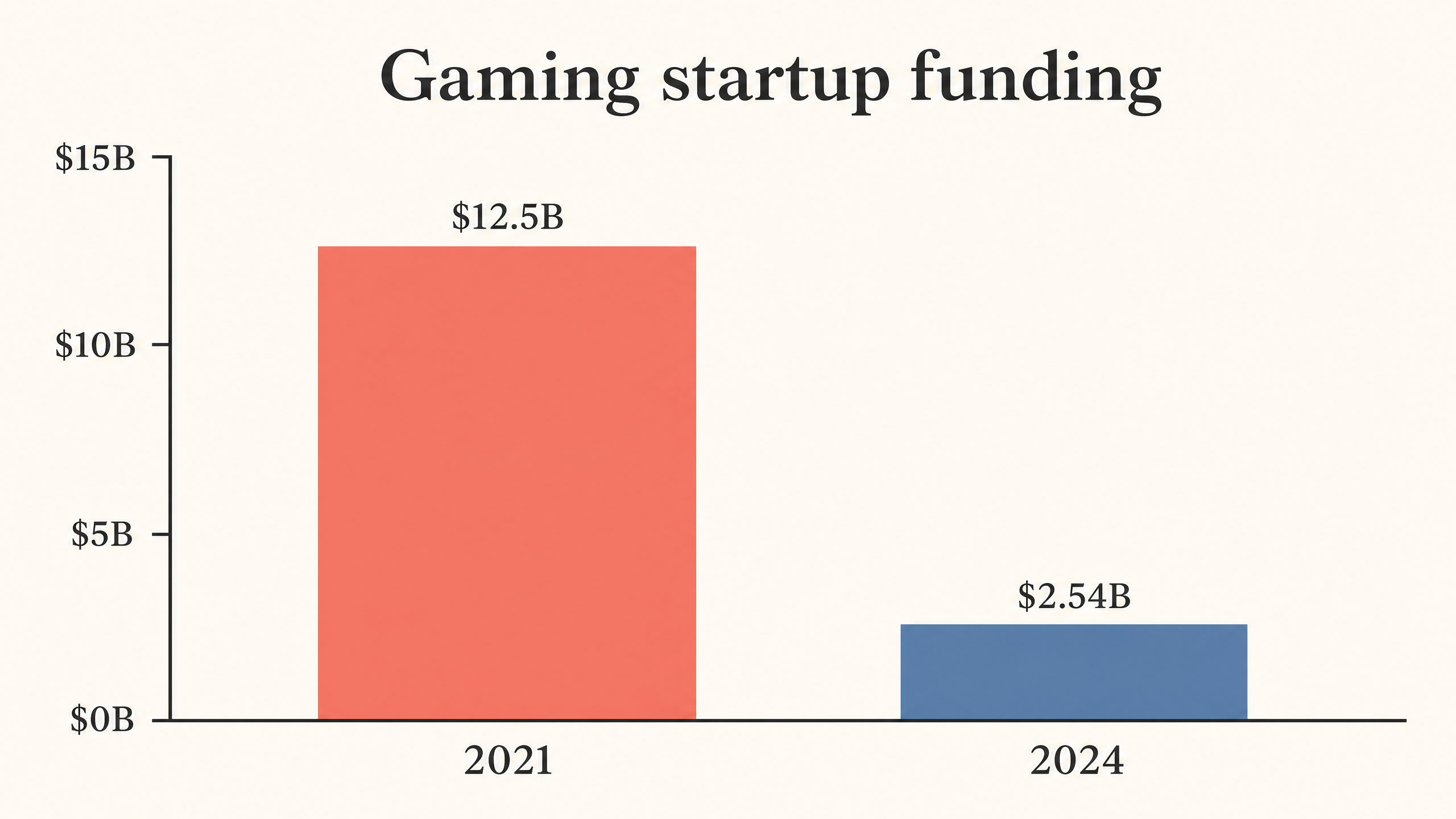
A hit studio can invest without raising a new fund or answering to outside investors on a fixed timetable. That can change recoupment, milestones, creative control, and how long a publisher can wait for a game to find its audience. Innersloth says Outersloth exists because of Among Us’ success; as of March 2026 the fund had backed 24 games and published its standard contract to push the market toward more developer-friendly terms.5
Patient money is a real deal-structure advantage. It lets a publisher structure a deal around what the game needs, rather than around the return timetable of a separate fund. But money is the easiest part of this model to understand. The harder question is what comes with it.
Specialization Is the Pitch
Aggro Crab’s publishing page is unusually specific about fit.3 It wants intense, stylized games with an attitude, generally from small teams seeking no more than about $500,000 and two years to finish. The same people making Aggro Crab’s own games will playtest and support the signed titles. The label plans to take on only one or two games a year.
thatgamecompany is making a different promise.4 Its label is built around emotionally ambitious games and offers funding, production planning, launch strategy, marketing, community support, and long-term IP development. The company points to 20 years of making emotionally driven games and seven years running Sky: Children of the Light.
Those are not generic service menus. They are filters. One publisher believes it can recognize a game that fits its irreverent community; another believes it can protect an emotional idea through prototyping and iteration. The smaller the publisher, the more precise that filter needs to be.
A useful publisher thesis should reject more games than it accepts. “We fund good indies” is not a thesis. “We know how to finish, position, and find players for this kind of game” might be.
— AC&A
The Audience Must Follow
Every successful studio has an audience. Not every successful studio has an audience that wants its recommendations. A player may love one game because of its mechanic, creator chemistry, genre, price, or cultural moment. None of those guarantees interest in a different title from a different developer.
Aggro Crab says it will sign games that can succeed with its existing community. That is a testable claim, and the test should start before launch. New indie publishers can measure whether their own channels produce wishlists, demo downloads, creator interest, Discord participation, and repeat visits for a partner game. They can compare those players with traffic from storefront discovery and paid campaigns. Cross-promotion is not distribution until the audience acts.
This is the same distinction AC&A has made about having more channels without gaining more control. Owning a mailing list, social account, or community server creates access. It does not create demand.
Taste Needs Evidence
A studio knows every compromise, failed prototype, marketing beat, and lucky break behind its own hit. That experience is valuable, but it can also create a misleading story about why the game succeeded. A publisher needs to separate a lesson that travels from a detail that belonged to one moment.
The practical answer is not to replace taste with a scorecard. It is to make taste produce evidence earlier. For each signed game, the publisher should be able to explain:
- Who is expected to care? Name the audience using observed behavior, not broad genre labels.
- What has to be true? Identify the mechanic, fantasy, or social promise that cannot be weakened.
- What can fail cheaply? Test positioning, onboarding, demo completion, and wishlisting before scaling production or marketing.
- What can the publisher uniquely improve? Point to named people, relationships, skills, and channels rather than a list of standard services.
This is also why early product proof matters. As AC&A argued in The New Studio Math, evidence about the game and its route to players is more useful than a polished story about future scale.
The same discipline should govern the deal: flexible terms need a shared definition of what the next milestone will prove.
Friendly Terms Still Require Hard Decisions
Developer-led publishers are rightly using their own experience to challenge old deal structures. Aggro Crab says it will not take 100% of revenue until recoupment and will not withhold the final milestone payment until release.3 Outersloth made its contract public because transparency can change what developers ask for elsewhere.5
Better terms do not remove the need for production judgment. Scope still expands. Milestones still slip. A promising build can still fail to become a sellable game. A publisher that avoids difficult conversations is not developer-friendly; it is postponing the problem.
The difference should be how those decisions are made. A strong developer-publisher can use milestones to answer creative and commercial questions, not simply to release the next payment. It can reduce scope while protecting the reason players care. It can distinguish a schedule problem from a product problem because its own team has lived through both.
A Small Slate Can Be an Advantage
Large publishers can offer reach, specialist staff, platform relationships, localization, QA, and launch experience at a scale that a small label cannot match. The new indie publishers should not pretend otherwise. Their advantage is attention.
Aggro Crab expects one or two signings a year.3 Kinetic Publishing described a target of two or three projects annually, with investments ranging from a few hundred thousand pounds to £1 million depending on need.6 A small slate makes hands-on help plausible, but only if the original studio protects time for it.
Founder attention is not free just because it is not listed in the budget. Every partner build reviewed, trailer revised, and platform introduction made competes with the studio’s own games. The label needs an explicit capacity model before success turns a focused experiment into another overloaded publisher.
What Developers Should Ask
For teams considering one of these publishers, the logo matters less than the working relationship behind it. Four questions cut through the pitch:
- Which named people will work on the game, and how much time do they have?
- What evidence shows the publisher’s audience could care about this title?
- Which decisions remain with the developer, especially around scope, launch, price, and IP?
- How do revenue, recoupment, milestones, and marketing commitments change if the plan changes?
The best answer will connect terms to a clear publishing advantage. A flexible milestone means more when the publisher can explain what the extra iteration should prove. Community access means more when similar players have already responded to the game. Creative freedom means more when both sides agree on which part of the experience cannot be compromised.
What New Indie Publishers Must Prove
Hit-backed publishing is a healthy response to a market where development talent is plentiful and conventional capital is scarce. It puts money, experience, and audience relationships closer to the people making games. It may also widen the range of projects that can get made.
But the strongest version of the model is not “developers are nicer publishers.” It is more demanding: developers can become better publishers when they know exactly which part of their success they can repeat for someone else. That proof will not come from announcing a label or signing a crowded slate. It will come when another team’s game reaches the right players, on workable terms, without requiring the original studio’s lucky break to happen twice.